Your Complete Guide to Cosmetic Dentistry: Procedures, Costs, and What to Expect
You may find yourself hiding your smile in photos, covering your mouth when you laugh, or avoiding certain foods because of how your teeth look. Gaps, stubborn stains, or old chips aren’t just cosmetic concerns—they can quietly affect your confidence and how you show up every day.
Modern cosmetic dentistry offers thoughtful solutions that can enhance both your smile and your self-confidence. This guide walks you through your options, outlines what to expect, and helps you make informed decisions about your smile transformation.
Quick Overview
- Comprehensive Solutions: Modern cosmetic dentistry can address everything from simple whitening to complete smile transformations using advanced materials and techniques.
- Comfortable Experience: Today's procedures are significantly more comfortable than in the past, with multiple sedation options available for your peace of mind.
- Lasting Investment: Quality cosmetic treatments provide long-term benefits that can enhance your confidence and quality of life for many years.
- Dual Benefits: Beyond aesthetics, many cosmetic procedures also improve bite function, speech clarity, and overall oral health.
What Is Cosmetic Dentistry and What Procedures Are Included?
Cosmetic dentistry focuses on improving the appearance of your teeth, gums, and overall smile. While traditional dentistry primarily addresses oral health issues, cosmetic dentistry combines function with aesthetics to create beautiful, natural-looking results. Think of it like architectural restoration—we're not just fixing problems; we're creating harmony between your teeth, gums, lips, and facial features.
What makes cosmetic dentistry unique is its attention to detail and artistry. We consider factors like tooth color, shape, size, and positioning to design a smile that looks naturally beautiful and complements your individual features. It's the difference between a quick repair and a masterpiece.
What Types of Cosmetic Dental Procedures Are Available?
- Teeth Whitening: Professional bleaching treatments that remove stains and brighten teeth several shades
- Porcelain Veneers: Ultra-thin shells that cover the front surface of teeth to correct color, shape, and minor alignment issues
- Dental Bonding: Tooth-colored resin applied to repair chips, close gaps, or reshape teeth
- Dental Crowns: Full coverage restorations that rebuild damaged or severely discolored teeth
- Dental Implants: Permanent replacements for missing teeth that look and function like natural teeth
- Invisalign: Clear aligners that gradually straighten teeth without traditional metal braces
- Gum Contouring: Reshaping of the gum line to create better proportions and symmetry
- Smile Makeovers: Comprehensive treatment plans combining multiple procedures for complete smile transformations
What Are the Benefits of Cosmetic Dentistry?
The advantages of cosmetic dentistry extend far beyond just looking better, though that's certainly significant. When you feel confident about your smile, it affects how you interact with others, how you present yourself professionally, and how you feel about yourself overall. It's like finally wearing clothes that fit perfectly—everything just feels right.
What Aesthetic Benefits Can I Expect?
- Enhanced Smile Appearance: Corrects discoloration, chips, gaps, and misalignment for a more attractive smile
- Natural-Looking Results: Modern materials and techniques create restorations that blend seamlessly with your natural teeth
- Facial Harmony: Properly designed treatments improve the balance between your teeth, lips, and facial features
- Youthful Appearance: A bright, well-aligned smile can take years off your appearance and boost your overall attractiveness
What Functional Benefits Does Cosmetic Dentistry Provide?
- Improved Bite Function: Many cosmetic procedures also correct bite issues that can cause jaw pain or uneven tooth wear
- Better Oral Health: Straight, properly spaced teeth are easier to clean and maintain, reducing risk of decay and gum disease
- Enhanced Speech: Correcting gaps or misaligned teeth can improve pronunciation and speech clarity
- Stronger Tooth Structure: Crowns and veneers can actually strengthen damaged or weakened teeth
Personal and Professional Benefits
- Increased Confidence: A beautiful smile boosts self-esteem and makes you more comfortable in social and professional situations
- Career Advantages: Studies show that people with attractive smiles are perceived as more successful and trustworthy
- Social Comfort: You'll feel more at ease smiling, laughing, and speaking in public
- Long-Term Investment: Quality cosmetic work provides lasting benefits that improve your quality of life for years to come
How Do Smile Makeover Procedures Work?
A smile makeover is a comprehensive approach to cosmetic dentistry that addresses multiple aspects of your smile simultaneously. Rather than treating individual issues in isolation, a makeover considers your entire smile as a unified whole, creating dramatic yet natural-looking transformations.
What Happens During the Initial Consultation?
The process begins with a thorough evaluation of your current oral health, facial structure, and aesthetic goals. We examine your teeth, gums, bite, and jaw alignment while discussing what you'd like to change about your smile. This consultation often includes digital photography and impressions to help plan your treatment.
How Do We Plan Your Treatment?
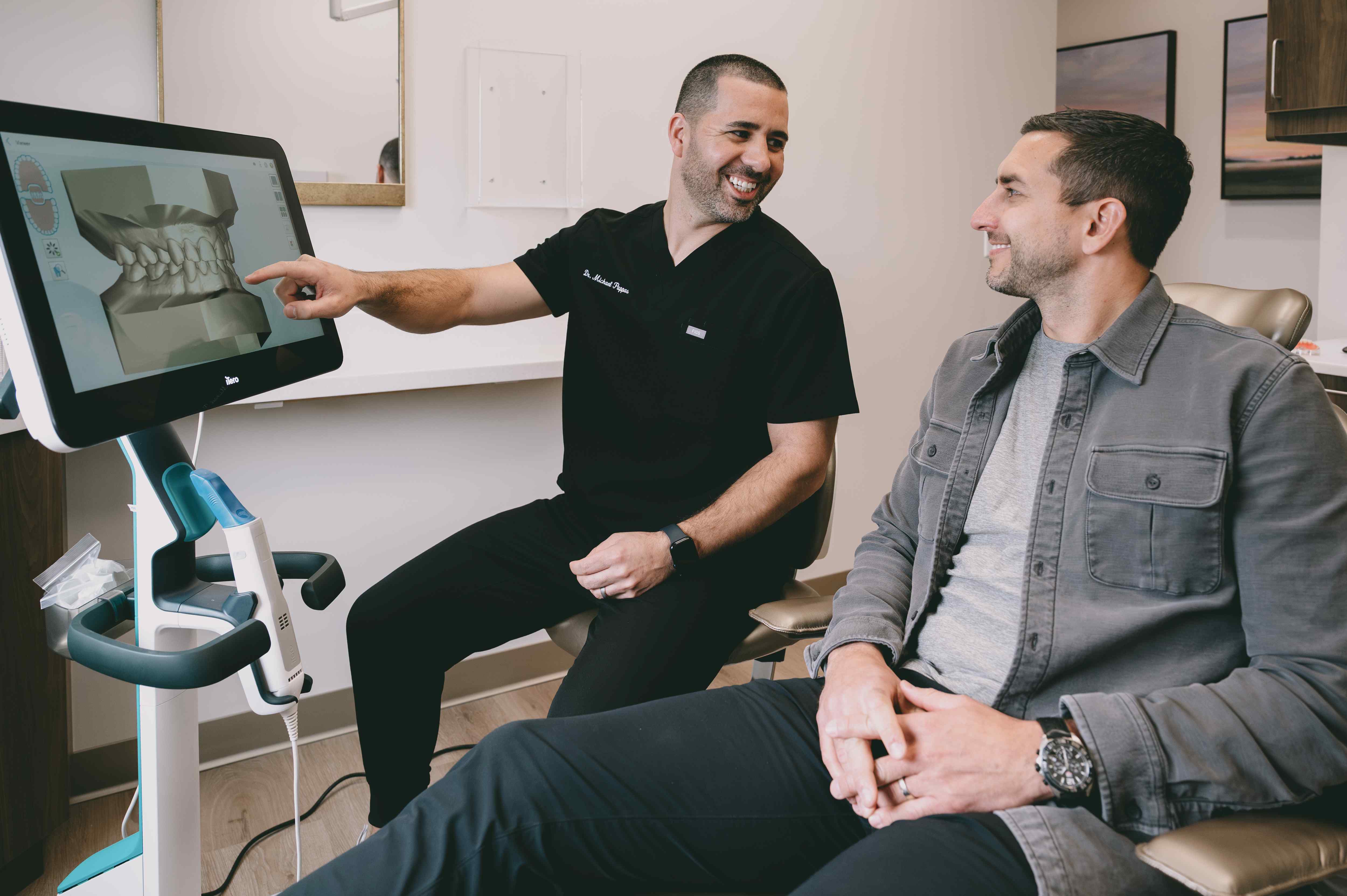
Using advanced technology like digital imaging and 3D modeling, we create a customized treatment plan that shows you exactly what your new smile will look like. This planning phase considers factors like tooth color, shape, size, and positioning to ensure your results look natural and complement your facial features.
How Are Multiple Procedures Sequenced?
Most smile makeovers involve multiple procedures performed in a specific sequence. For example, if you need dental implant placement for missing teeth, this typically happens first to allow for healing. Teeth whitening usually comes last, so we can match any restorations to your newly brightened teeth.
Execution and Refinement
Each procedure is performed with meticulous attention to detail, often using temporary restorations to test the look and feel before creating final pieces. This allows for adjustments and ensures you're completely satisfied with both the appearance and function of your new smile.
What Are the Latest Aesthetic Dentistry Trends and Modern Techniques?
The field of cosmetic dentistry continues to evolve rapidly, with new materials and techniques making treatments more predictable, comfortable, and long-lasting. At Jerome Village Dental, we stay current with these advances to offer our patients the best possible results.
What Is Digital Smile Design?
This revolutionary approach uses computer technology to plan and preview your treatment results before any work begins. Digital smile design allows us to show you exactly how your new smile will look and make adjustments to ensure you're completely happy with the planned outcome.
How Do Minimally Invasive Techniques Work?
Modern cosmetic dentistry emphasizes preserving as much natural tooth structure as possible. Ultra-thin veneers, no-prep options, and conservative bonding techniques can often achieve dramatic improvements while maintaining the health and integrity of your natural teeth.
What Advanced Materials Are Available?
New ceramic and composite materials offer superior strength, durability, and aesthetics compared to older options. These materials can be precisely color-matched and shaped to create restorations that are virtually indistinguishable from natural teeth.
What Is Same-Day Dentistry?
With CEREC technology, we can design, mill, and place same-day crowns and other restorations in a single appointment. This means less time in the dental chair and fewer visits to complete your treatment.
How Painful Are Cosmetic Dental Procedures?
One of the most common concerns you might have about cosmetic dentistry is discomfort during and after treatment. The good news is that modern techniques and anesthesia options make most procedures quite comfortable; many patients are surprised by how little discomfort they experience.
What Should I Expect During Treatment?
Most cosmetic procedures are performed using local anesthesia to ensure you're completely comfortable. For patients with dental anxiety, we offer sedation dentistry options including oral conscious sedation and IV sedation to help you relax completely during treatment.
How Much Discomfort Does Each Procedure Cause?
- Teeth Whitening: Minimal discomfort, possibly some temporary sensitivity
- Dental Bonding: Usually painless, may require light anesthesia for preparation
- Veneers: Mild discomfort during preparation, easily managed with local anesthesia
- Crowns: Moderate preparation required, but well-controlled with proper anesthesia
- Dental Implants: Surgical procedure with moderate post-operative discomfort, well-managed with medication
- Invisalign: Minimal discomfort, mainly pressure sensations during tooth movement
What Are the Recovery Times and Aftercare Instructions?
Recovery from cosmetic dental procedures varies depending on the specific treatment, but most patients can return to normal activities relatively quickly. Understanding what to expect helps you plan accordingly and ensures the best possible results.
What Should I Do in the First 24-48 Hours?
- Avoid Hard Foods: Stick to soft foods and room temperature beverages to protect new restorations
- Gentle Oral Hygiene: Brush carefully around treated areas and avoid aggressive flossing initially
- Manage Sensitivity: Some temporary sensitivity to hot and cold is normal and usually resolves quickly
- Follow Medication Instructions: Take any prescribed medications as directed to manage discomfort and prevent infection
How Should I Care for My Smile During the First Week?
- Gradual Diet Expansion: Slowly reintroduce normal foods as comfort allows
- Monitor for Issues: Watch for any unusual pain, swelling, or problems with your bite
- Avoid Staining Substances: Skip coffee, tea, red wine, and tobacco to protect new restorations
- Attend Follow-up Appointments: Keep scheduled visits to ensure proper healing and fit
How Do I Maintain My Results Long-Term?
- Maintain Excellent Hygiene: Regular brushing, flossing, and professional cleanings protect your investment
- Use Protective Devices: Wear a night guard if you grind your teeth to prevent damage
- Regular Dental Visits: Professional monitoring ensures early detection of any issues
- Lifestyle Considerations: Avoid using teeth as tools and limit highly staining foods and beverages
Porcelain Veneers vs Dental Bonding: Which Is Right for You?
When it comes to improving the appearance of your front teeth, porcelain veneers and dental bonding are two of the most popular options. Both can address similar concerns, but they have different advantages and are suited to different situations. Think of veneers as custom-tailored suits while bonding is more like alterations—both can look great, but they serve different needs.
What Are the Benefits of Porcelain Veneers?
- Durability: Last 15-20 years or more with proper care
- Stain Resistance: Porcelain doesn't absorb stains like natural teeth
- Natural Appearance: Reflects light similarly to natural tooth enamel
- Strength: Very strong and resistant to chipping when properly bonded
- Investment Level: Higher initial cost but excellent long-term value
- Timeline: Usually requires two appointments over 2-3 weeks
- Best For: Multiple teeth, severe discoloration, significant shape changes
What Are the Advantages of Dental Bonding?
- Affordability: More budget-friendly option for minor improvements
- Speed: Usually completed in a single appointment
- Reversibility: Can be removed or modified more easily than veneers
- Conservation: Requires minimal or no tooth preparation
- Longevity: Lasts several years on average before replacement needed
- Maintenance: May require periodic touch-ups or repairs
- Best For: Minor chips, small gaps, single teeth, budget-conscious patients
How Do I Choose Between Them?
The decision between veneers and bonding depends on your specific needs, budget, and long-term goals. Veneers offer superior durability and aesthetics for comprehensive smile makeovers, while bonding provides an excellent solution for minor improvements or as a temporary option while you plan for more extensive treatment.
Cosmetic Dentistry vs Orthodontics: Different Approaches to Smile Improvement
Both cosmetic dentistry and orthodontics can dramatically improve your smile, but they take different approaches to achieve results. Understanding these differences helps you choose the right treatment for your specific situation.
How Does Orthodontic Treatment Work?
- Approach: Moves natural teeth into better positions over time
- Timeline: Typically requires months for comprehensive treatment
- Best For: Significant crowding, spacing, or bite issues
- Age Considerations: Can be performed at any age, but easier in younger patients
- Preservation: Maintains natural tooth structure completely
- Investment: Usually represents a moderate investment for complete treatment
How Does Cosmetic Dentistry Differ?
- Approach: Changes the appearance of teeth through restorations or modifications
- Timeline: Often completed in weeks rather than months
- Best For: Color issues, minor alignment problems, damaged teeth
- Versatility: Can address multiple issues simultaneously
- Speed: Provides immediate dramatic results
- Investment: Varies widely based on procedures selected
Can I Combine Both Approaches?
Many patients benefit from combining orthodontic and cosmetic treatments. For example, Invisalign treatment might be used to align teeth, followed by professional whitening and bonding to perfect the final result. This approach can provide the best of both worlds—properly positioned teeth with optimal color and shape.
Professional vs At-Home Teeth Whitening: Understanding Your Options
Teeth whitening remains one of the most popular cosmetic dental procedures, but you might wonder about the differences between professional and at-home options. Both approaches have their place, but they offer different levels of effectiveness, safety, and convenience.
What Are the Benefits of Professional In-Office Whitening?
- Effectiveness: Can lighten teeth multiple shades in a single appointment
- Speed: Complete results in 60-90 minutes
- Safety: Performed under professional supervision with gum protection
- Customization: Treatment tailored to your specific needs and sensitivity levels
- Investment: Higher upfront cost but professional-grade results
- Longevity: Results typically last with proper maintenance
How Does Professional Take-Home Whitening Work?
- Convenience: Whiten on your own schedule at home
- Gradual Results: Gentler process that builds results over time
- Custom Fit: Professional-grade trays ensure even coverage and comfort
- Ongoing Maintenance: Easy to touch up results as needed
- Value: Moderate investment for complete system
- Professional Supervision: We monitor progress and adjust as needed
What About Over-the-Counter Options?
- Accessibility: Available at pharmacies and grocery stores
- Lower Cost: Most budget-friendly option
- Limited Effectiveness: Usually provides modest improvement
- One-Size-Fits-All: May not fit properly or provide even results
- Safety Concerns: No professional oversight for sensitivity or complications
What Dental Crown Materials Are Available?
When you need a dental crown, choosing the right material is crucial for both function and aesthetics. Modern dentistry offers several excellent options, each with specific advantages for different situations.
What Are the Benefits of All-Ceramic Crowns?
- Aesthetics: Excellent natural appearance, especially for front teeth
- Biocompatibility: No metal content makes them ideal for patients with allergies
- Strength: Modern ceramics are very strong and durable
- Tooth Conservation: Requires less tooth removal than some alternatives
- Investment: Mid to high-end pricing for premium aesthetics
- Best For: Front teeth, patients with metal allergies, optimal aesthetics
How Do Porcelain-Fused-to-Metal (PFM) Crowns Compare?
- Strength: Metal core provides excellent durability
- Versatility: Suitable for both front and back teeth
- Track Record: Long history of successful use in dentistry
- Cost-Effectiveness: Good balance of aesthetics and affordability
- Limitations: May show dark line at gum margin over time
- Value: Moderate pricing for reliable results
When Are Gold and Metal Crowns Recommended?
- Durability: Extremely long-lasting, often decades
- Gentle on Opposing Teeth: Doesn't cause excessive wear
- Precision Fit: Can be made very accurately
- Conservative Preparation: Requires minimal tooth removal
- Aesthetics: Not suitable for visible areas due to metal color
- Best For: Back teeth where strength is paramount
How Do I Choose the Right Material?
The best crown material for you depends on the location of the tooth, your bite forces, aesthetic requirements, and budget. Front teeth typically benefit from all-ceramic options for optimal appearance, while back teeth might be better served by stronger materials that can withstand heavy chewing forces.
What Success Rates and Outcomes Can I Expect?
Cosmetic dentistry has an excellent track record of success when performed by experienced practitioners using quality materials. Understanding realistic expectations helps you make informed decisions and appreciate your results.
How Successful Are Cosmetic Dental Procedures?
Most cosmetic dental procedures have very high success rates when performed properly. Veneers and crowns typically last many years without issues, while treatments like bonding and whitening provide predictable improvements in appearance. The key factors affecting success include proper case selection, quality materials, skilled execution, and good patient compliance with aftercare instructions.
What Factors Affect My Outcomes?
- Oral Health Foundation: Healthy teeth and gums provide the best foundation for cosmetic work
- Realistic Expectations: Understanding what's possible helps ensure satisfaction with results
- Quality Materials: Premium materials typically provide better aesthetics and longevity
- Skilled Execution: Experience and artistic skill significantly impact final results
- Patient Compliance: Following aftercare instructions and maintaining good oral hygiene
How Long Will My Results Last?
- Porcelain Veneers: Can last many years with proper care
- Dental Crowns: Durable results depending on material and location
- Dental Bonding: Several years before replacement typically needed
- Professional Whitening: Results maintained with proper care
- Dental Implants: Can last a lifetime with proper maintenance
How Do I Choose the Right Provider for Cosmetic Dentistry?
Selecting the right cosmetic dentist is crucial for achieving the results you want safely and effectively. Not all dentists have the same level of training, experience, or artistic skill in cosmetic procedures.
What Credentials and Training Should I Look For?
- Advanced Cosmetic Training: Look for dentists who have completed extensive continuing education in cosmetic procedures
- Professional Memberships: Membership in organizations like the American Academy of Cosmetic Dentistry indicates commitment to excellence
- Experience Volume: Ask about how many similar cases the dentist has completed
- Before and After Portfolio: Review actual patient results to assess the dentist's skill and aesthetic sense
What Red Flags Should I Avoid?
- Pressure Tactics: High-pressure sales approaches or "today only" pricing
- Unrealistic Promises: Guarantees of perfection or claims that seem too good to be true
- Extremely Low Prices: Costs significantly below market rates may indicate corners being cut
- No Portfolio: Inability or unwillingness to show previous work
- Poor Communication: Difficulty getting questions answered or feeling rushed
Frequently Asked Questions About Cosmetic Dentistry
How Long Does a Complete Smile Makeover Take?
A complete smile makeover timeline depends on the procedures involved. Simple cases involving whitening and bonding might be finished in a few weeks, while complex cases requiring multiple veneers, crowns, or implants may take several months to allow for proper healing and custom fabrication of restorations.
Is Cosmetic Dentistry Covered by Insurance?
Most insurance plans consider cosmetic dentistry elective and don't provide coverage. However, if a procedure also has functional benefits (like a crown that restores a damaged tooth), partial coverage may be available. We work with various insurance providers and can help you understand your benefits and maximize any available coverage.
Can I Finance My Cosmetic Dental Treatment?
Yes, we offer several financing options to make cosmetic dentistry more accessible. These include in-house payment plans, third-party financing with various interest options, and the ability to use dental savings plans. During your consultation, we'll discuss payment options that fit your budget and help you get the smile you want.
How Do I Maintain My Cosmetic Dental Work?
Maintaining cosmetic dentistry involves excellent daily oral hygiene, regular professional cleanings, and avoiding habits that could damage your restorations. This includes brushing twice daily, flossing regularly, wearing a night guard if you grind your teeth, and avoiding using your teeth as tools. Most cosmetic work can last many years with proper care.
What If I Don't Like My Results?
Communication during the planning phase is crucial to ensure you'll love your results. We use digital imaging and temporary restorations when possible to let you preview your new smile. If adjustments are needed, most issues can be addressed through minor modifications. We're committed to your satisfaction and will work with you to achieve the results you want.
Can Cosmetic Dentistry Fix Severely Damaged or Discolored Teeth?
Yes, modern cosmetic dentistry can address even severely compromised teeth. Options range from conservative approaches like bonding and veneers to more comprehensive solutions like crowns or implants for teeth that can't be saved. During your consultation, we'll evaluate your specific situation and recommend the best approach for your needs.
How Soon Can I Eat Normally After Cosmetic Dental Treatment?
This depends on the specific procedure performed. After bonding or veneer placement, you can usually eat soft foods immediately and return to normal eating within a day or two. More extensive procedures like crown placement may require a few days of dietary modifications. We'll provide specific dietary guidelines based on your treatment.
Will My Cosmetic Dental Work Look Natural?
Modern cosmetic dentistry materials and techniques create incredibly natural-looking results. Porcelain and advanced composites can be precisely color-matched and shaped to blend seamlessly with your natural teeth. The key is working with an experienced cosmetic dentist who has the artistic skill to create beautiful, natural-looking results.
Can I Whiten My Teeth If I Have Existing Dental Work?
Existing crowns, veneers, and fillings won't change color with whitening treatments, so this needs to be considered in your treatment planning. Often, we recommend whitening your natural teeth first, then replacing any visible restorations to match your newly brightened smile. This ensures a uniform, attractive result.
How Do I Know If I'm a Good Candidate for Cosmetic Dentistry?
Most people with healthy teeth and gums are good candidates for cosmetic dentistry. The best way to determine your options is through a comprehensive consultation where we can evaluate your oral health, discuss your goals, and recommend appropriate treatments. Even if you have some oral health issues, these can often be addressed as part of your overall treatment plan.
Why Choose Jerome Village Dental for Your Cosmetic Dentistry?
Dr. Pappas's Expertise and Commitment
Dr. Mike Pappas brings advanced training, proven skill, and a patient-first approach to every cosmetic case. A top graduate of The Ohio State University College of Dentistry and recipient of the prestigious Veler Scholarship, Dr. Pappas combines clinical excellence with ongoing education to deliver modern, high-quality care.
What Advanced Technology Do We Offer?
- CEREC Same-Day Crowns: Custom, durable crowns in a single visit
- Digital Radiography: Detailed imaging with minimal radiation
- Cone Beam Imaging: Precise 3D planning for implants and complex cases
- Intraoral Cameras: High-definition visuals for clearer treatment understanding
- 3D Printing: Faster, more accurate in-house fabrication
What Comfort Options Are Available?
We offer oral conscious sedation and IV sedation to help patients feel relaxed and at ease. For added comfort, Roscoe, Dr. Pappas’s certified therapy dog, is also available to support anxious patients.
Ready to Take the Next Step Toward Your Best Smile?
If you’ve been thinking about improving your smile but aren’t sure where to start, a personalized cosmetic dentistry consultation is a helpful first step. Our team at Jerome Dental takes time to understand your goals, evaluate your oral health, and explain treatment options that align with your needs, timeline, and budget—without pressure.
Whether you’re considering whitening, veneers, bonding, or a complete smile makeover, we’re here to help you make informed decisions about your care. Contact our office in Plain City, OH, to schedule a consultation and learn what options may be right for your smile.