Knocked-Out Tooth? Your First 60 Minutes Matter
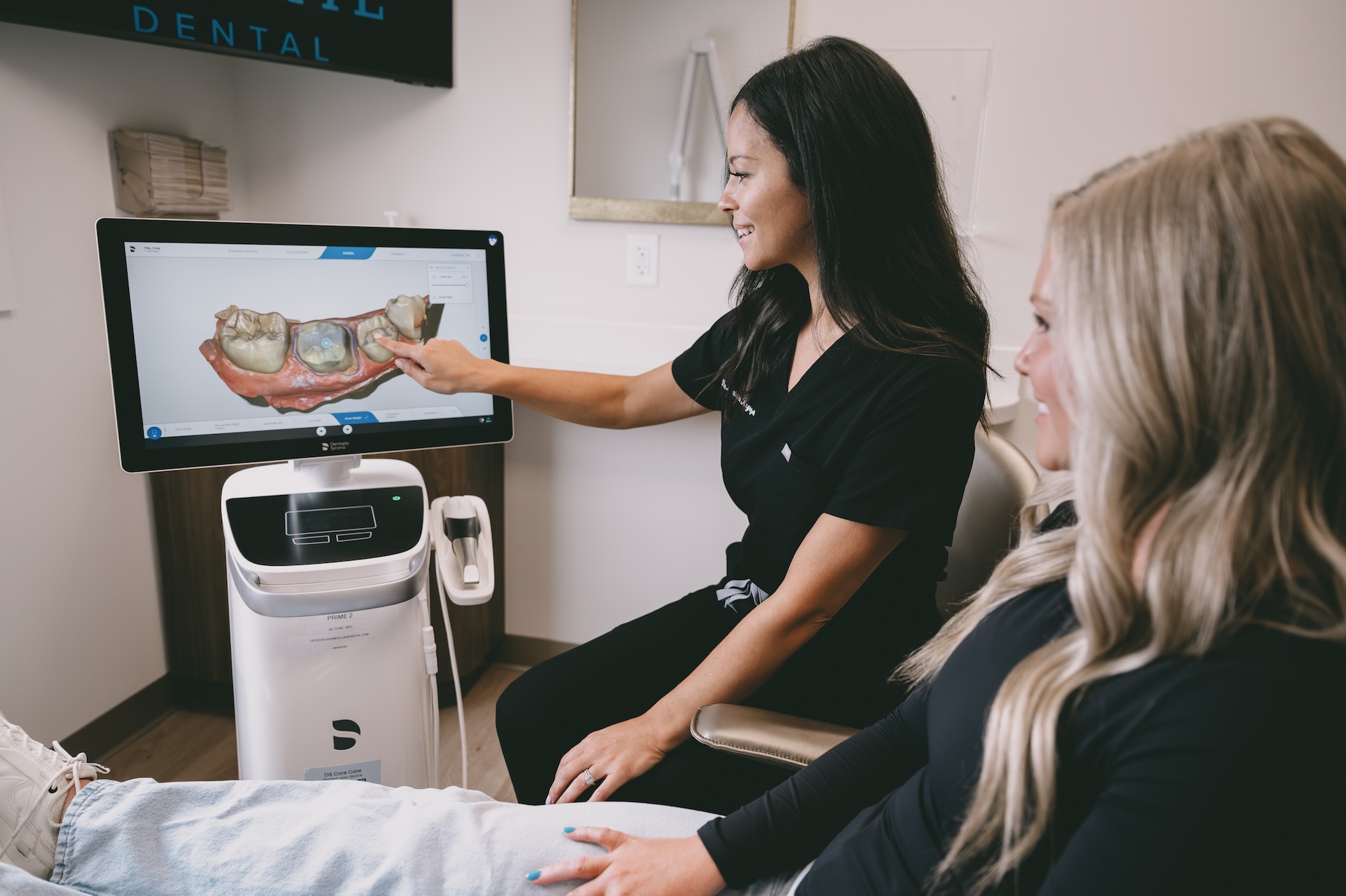
When a permanent tooth gets knocked out completely, you have a narrow window of opportunity to save it. The next 30 minutes are critical—proper handling and immediate professional care can mean the difference between keeping your natural tooth and needing a replacement. At Jerome Village Dental, Dr. Pappas and our team have successfully reimplanted many teeth over the years, and we know that having the right information beforehand makes all the difference in these urgent situations.
What You Need to Know Right Now
- Time is everything: You have the best chance of saving a knocked-out permanent tooth if you get professional care within 30 minutes
- Handle with care: Only touch the crown (white part) of the tooth, never the root, and keep it moist at all times
- Call a dentist first: Emergency dentists are better equipped than emergency rooms for tooth reimplantation procedures
- Baby teeth are different: Knocked-out primary teeth are typically not reimplanted to avoid damaging the developing permanent tooth underneath
- Prevention works: Custom mouthguards can prevent most sports-related dental injuries
Emergency First Aid Steps for a Knocked Out Tooth
When a tooth gets completely knocked out—what we call a dental avulsion—follow these critical first aid steps immediately:
- Stay calm and find the tooth: Look for the entire tooth including the root. Check the ground, clothing, and inside the mouth for fragments
- Handle only the crown: Pick up the tooth by the white part you normally see when smiling. Never touch the root surface—those cells are essential for reattachment
- Assess if it's clean: If the tooth has dirt or debris, rinse it gently with clean water for no more than 10 seconds. Don't scrub, use soap, or remove any tissue fragments
- Attempt immediate reimplantation: If the tooth appears undamaged, try placing it back in the socket immediately. Push it in gently until it's level with adjacent teeth
- Hold it in place: Bite down gently on a clean cloth, gauze, or even a tea bag to keep the tooth positioned while seeking professional care
- If reimplantation isn't possible: Store the tooth in cold milk, saline solution, or saliva. Keep it moist but don't let it sit in plain water
- Control bleeding: Apply gentle pressure with clean gauze to the socket. Some bleeding is normal and actually helps with healing
- Get professional help within 30 minutes: Call an emergency dentist immediately while heading to their office
How to Save a Tooth That Fell Out Completely
Successfully saving a completely knocked-out tooth depends on preserving the periodontal ligament cells on the root surface. These microscopic cells begin dying within 15 minutes of being separated from your mouth's blood supply, which is why immediate action is crucial.
The best storage solutions maintain cell viability by matching your body's natural environment. Cold milk is ideal because its pH and osmolarity closely match your body's fluids. If milk isn't available, your own saliva works well—you can spit into a clean container and place the tooth in it. Commercial tooth preservation kits like Save-A-Tooth are excellent if available, but most people don't have these on hand during emergencies.
Never store a knocked-out tooth in plain water, which causes the root cells to swell and burst. Avoid wrapping it in tissues or cloth, which can dry out the root surface. Don't try to sterilize the tooth with alcohol or hydrogen peroxide—these solutions kill the very cells needed for successful reimplantation.
Temperature matters too. Keep the storage solution cool but not frozen. Room temperature is acceptable for short periods, but refrigerator temperature is better for longer transport times.
Can a Knocked Out Permanent Tooth Be Put Back In?
Yes, knocked-out permanent teeth can often be successfully reimplanted, with success rates varying based on several key factors. Teeth reimplanted within 30 minutes have success rates of 85-97%, while those out of the mouth for 1-2 hours drop to 20-35% success rates. After 2 hours, success becomes much less likely but still possible in some cases.
Age significantly affects outcomes. Children and teenagers typically see better results because their developing root systems adapt more readily to reimplantation. Adults can still achieve successful reimplantation, but may require additional treatments like root canal therapy.
The condition of both the tooth and socket impacts success. Clean avulsions where the entire tooth comes out intact offer the best prognosis. Fractured teeth or damaged sockets create more complex situations but aren't automatically hopeless—we can often repair fractures and address socket damage during the reimplantation procedure.
Your immediate care makes a huge difference. Teeth kept moist in appropriate solutions maintain healthier root cells, dramatically improving reimplantation success rates compared to teeth that were allowed to dry out.
Professional Treatment and What to Expect
Professional treatment for dental avulsion begins with thorough examination and digital X-rays to assess the tooth, socket, and surrounding bone structures. We evaluate the periodontal ligament remnants and check for any root fractures that might complicate reimplantation.
The reimplantation procedure involves gently irrigating the socket with saline solution and carefully positioning the tooth. We typically splint the reimplanted tooth to adjacent teeth using a flexible wire and composite resin, allowing for some natural movement while providing stability during initial healing.
Post-treatment prognosis depends on several factors:
- Immediate success indicators: The tooth feels stable, shows good color, and responds normally to gentle pressure within the first week
- Short-term healing (2-8 weeks): X-rays show proper positioning and initial bone healing around the root
- Long-term success (6 months-2 years): The tooth maintains vitality or responds well to root canal treatment if needed
Some reimplanted teeth may require root canal therapy within 2-8 weeks, especially in adults. This doesn't indicate treatment failure—many teeth function perfectly for decades after root canal treatment following reimplantation.
Insurance Coverage for Emergency Dental Care
Most dental insurance plans classify tooth avulsion as an emergency and cover reimplantation procedures under major restorative benefits, typically at 50-80% after your deductible. However, coverage varies significantly between plans and providers.
Key insurance considerations for dental emergencies:
- Emergency provisions: Many plans waive prior authorization requirements for true emergencies
- Time-sensitive coverage: Some insurers provide enhanced benefits for treatment received within specific timeframes
- Follow-up care: Ensure your plan covers necessary follow-up appointments and potential root canal therapy
- Alternative treatment coverage: If reimplantation fails, verify coverage for replacement options like implants or bridges
At Jerome Village Dental, we work with most major insurance providers including Delta, MetLife, Aetna, Cigna, Guardian, and United Healthcare. We can often verify emergency benefits quickly by phone. Don't delay treatment due to insurance concerns—we offer payment plans and can help you understand your coverage options after addressing the immediate emergency.
Finding Emergency Dental Care When You Need It Most
When searching for immediate emergency dental care, prioritize dentists who specifically handle trauma cases and have experience with tooth reimplantation. Not all dental offices are equipped for complex emergency procedures, so calling ahead saves valuable time.
Jerome Village Dental provides comprehensive emergency services including tooth reimplantation, with Dr. Pappas available for urgent cases. Our Plain City office maintains emergency equipment and materials specifically for dental trauma situations, including digital X-ray capabilities for immediate diagnosis.
When calling emergency dental offices, ask specifically:
- Do you handle tooth reimplantation procedures?
- How quickly can you see me?
- What should I do while traveling to your office?
- Do you have digital X-ray capabilities for immediate diagnosis?
If your regular dentist isn't available, dental emergency hotlines can connect you with available practitioners in your area who handle trauma cases.
Tooth Reimplantation vs Dental Implant After Avulsion
When reimplantation isn't successful or possible, dental implants provide an excellent replacement option. Understanding the differences helps you make informed decisions about your treatment.
Tooth Reimplantation Benefits:
- Preserves your natural tooth structure and root
- Maintains natural bite sensation and function
- Generally less expensive than implant replacement
- Preserves jawbone density naturally
- Can last decades with proper care
Dental Implant Advantages:
- Predictable long-term success rates (95%+)
- No risk of root resorption or other reimplantation complications
- Doesn't require ongoing monitoring for potential issues
- Can be placed when reimplantation isn't viable
The decision often depends on timing and individual circumstances. We always attempt reimplantation when conditions are favorable, as saving your natural tooth is typically the best option. However, implants provide excellent backup solutions when natural tooth preservation isn't possible.
Emergency Room vs Dentist for Knocked Out Tooth
Choosing between emergency room and emergency dental care depends on the severity and nature of your injuries. Understanding when to use each service ensures you get appropriate treatment quickly.
Go to the Emergency Room if you have:
- Signs of concussion or head injury
- Severe facial fractures or jaw injuries
- Uncontrolled bleeding that won't stop with pressure
- Multiple traumatic injuries requiring medical attention
- Loss of consciousness or confusion
Go directly to an emergency dentist for:
- Isolated tooth avulsion without other injuries
- Multiple knocked-out teeth
- Tooth avulsion with controllable bleeding
- Need for immediate reimplantation procedures
Most emergency rooms can provide pain management and basic wound care but lack the specialized equipment and training for tooth reimplantation. Emergency dentists have the specific tools, materials, and expertise needed for successful tooth reimplantation procedures.
If you're unsure, call both facilities. Emergency rooms can advise if your injuries require medical attention, while emergency dentists can guide you on the urgency of dental treatment.
Sports Injury Prevention: Mouthguard Protection
Sports-related dental injuries account for approximately 39% of all dental trauma, with contact sports posing the highest risk. However, proper mouthguard use can prevent up to 200,000 oral injuries annually in high school and college sports alone.
High-risk sports requiring mouthguard protection:
- Football: 34% of players experience dental injuries without protection
- Ice hockey: Pucks traveling 100+ mph create severe injury potential
- Basketball: Player contact and elbows cause frequent dental trauma
- Baseball/Softball: Ball impact can knock out multiple teeth simultaneously
- Boxing and martial arts: Direct facial contact sports
- Field hockey: Sticks and balls pose dual threats
Custom-fitted mouthguards from your dentist provide superior protection compared to over-the-counter options. They're designed specifically for your mouth, offering better comfort, protection, and speech clarity during play. The cost of a custom mouthguard is minimal compared to tooth replacement expenses.
Child Knocked Out: Baby Tooth vs Permanent Tooth Treatment
Treatment approaches differ significantly between knocked-out primary (baby) teeth and permanent teeth in children. Understanding these differences helps parents make appropriate emergency decisions.
Baby Tooth Avulsion (Ages 2-6):
- Do NOT attempt to reimplant baby teeth
- Reimplantation could damage the developing permanent tooth underneath
- Focus on controlling bleeding and comforting the child
- Monitor for signs of infection in the following days
- Consider space maintainers if the permanent tooth won't emerge for several years
Permanent Tooth Avulsion in Children:
- Follow the same emergency procedures as adults
- Children often have better reimplantation success rates
- Young permanent teeth adapt more readily to reimplantation
- Root development may continue after successful reimplantation
- Long-term monitoring is essential through adolescence
For children with mixed dentition (both baby and permanent teeth), identifying whether the knocked-out tooth is primary or permanent is crucial. Permanent teeth are typically larger and have longer, more developed roots than baby teeth.
At Jerome Village Dental, we provide pediatric dentistry services and understand how stressful dental emergencies can be for both children and parents.
What to Expect During Treatment and Recovery
Professional treatment begins with immediate assessment and digital imaging to evaluate the tooth and socket condition. We'll examine the periodontal ligament remnants and check for any complications that might affect reimplantation success.
The reimplantation procedure typically takes 30-60 minutes, depending on complexity. We use local anesthesia to ensure comfort during treatment, and sedation options are available for anxious patients.
Recovery timeline expectations:
- First 24-48 hours: Some discomfort and swelling are normal. Soft foods only, avoid biting on the treated tooth
- First week: Follow-up appointment to check initial healing and adjust splint if needed
- 2-3 weeks: Splint removal once tooth shows adequate stability
- 6-8 weeks: X-rays to evaluate root healing and determine if root canal therapy is needed
- 3-6 months: Continued monitoring for signs of root resorption or other complications
- 1-2 years: Long-term follow-up to confirm treatment success
Success indicators include normal tooth color, appropriate response to bite pressure, and X-ray evidence of healthy root and bone healing. Some teeth may require root canal treatment but can still function normally for decades.
Getting the Emergency Care You Need
Dealing with a knocked-out tooth is never easy, but knowing what to do in those crucial first moments can make all the difference in saving your natural smile. Remember that time is critical, proper handling matters, and professional dental care gives you the best chance of successful treatment.
At Jerome Village Dental, Dr. Pappas and our team understand how stressful dental emergencies can be. We're equipped to handle tooth reimplantation procedures and provide the follow-up care necessary for the best possible outcomes. Our Plain City office is ready to help when you need us most, and we work with your insurance to make treatment as accessible as possible.
Whether you're dealing with an emergency right now or want to be prepared for the future, don't hesitate to contact our office at 614-967-9199. We're here to help protect your smile and provide the expert care you deserve when you need it most.